Introduction: The Need for Cross‑Platform ALM Integration
In regulated industries like automotive, aerospace, and healthcare, engineering teams often rely on a mix of tools—such as IBM Engineering Lifecycle Management (ELM) for compliance-heavy systems and PTC Codebeamer for Agile development and traceability. However, when these platforms operate in isolation, they create silos that lead to duplicated effort, traceability gaps, and audit risks. A seamless integration using OSLC-based adapters bridges these gaps, ensuring synchronized workflows, real-time traceability, and better cross-team collaboration.
Key Challenges Without Integration:
- Disconnected requirements, development, and test data
- Manual data duplication and sync errors
- Difficulty maintaining compliance traceability
- Slower audits and risk of non-compliance
Why Integration Matters:
- Streamlines workflows across tools
- Enables live linking and automated updates
- Improves collaboration between system and software teams
- Enhances audit readiness and reporting
What Is IBM ELM and PTC Codebeamer Integration?
IBM Engineering Lifecycle Management (IBM ELM) is a suite of tools designed to support end-to-end systems engineering in highly regulated industries. It covers requirements management, architecture, change management, and quality assurance—aligned to standards such as DO-178C, ARP 4754, ISO 26262, and IEC 62304. PTC Codebeamer, on the other hand, is a modern ALM platform known for its configurability, variant management, built-in regulatory templates, and robust support for Agile and DevOps workflows. When both platforms are used within the same organization—often across departments or development stages—the lack of integration can lead to duplicated work, communication breakdowns, and compliance risks.
By integrating IBM ELM and PTC Codebeamer using an OSLC-based adapter or API bridge, organizations can synchronize key artifacts—such as requirements, test cases, change requests, and defects—across both systems. This allows cross-functional teams to collaborate seamlessly while using their preferred tools, improving efficiency, visibility, and traceability.
Key Integration Capabilities:
- Bidirectional synchronization of work items (e.g., requirements, defects, test cases)
- Live linking of artifacts between ELM and Codebeamer
- Preservation of traceability chains for audits and safety standards
- Real-time collaboration across different lifecycle stages
- Support for change impact analysis across both tools
This integration ensures that engineers, testers, quality managers, and compliance teams are always working with the latest, most accurate information—regardless of which platform they use.
The Role of OSLC and REST APIs in ALM Integration
Effective integration between ALM platforms like IBM ELM and PTC Codebeamer requires a flexible yet standardized approach. This is where OSLC (Open Services for Lifecycle Collaboration) plays a central role. OSLC is an open standard specifically designed to link artifacts—such as requirements, test cases, change requests, and defects—across heterogeneous tools. It allows users to create and maintain traceable relationships between lifecycle elements in real time, directly from within their primary working environment. This ensures that teams working across platforms can view and access related data without duplicating or migrating information. OSLC also ensures that these links remain live and context-aware, supporting end-to-end traceability that is critical for compliance-heavy industries.
While OSLC excels at live linking and traceability, REST APIs (Representational State Transfer) provide the technical backbone for more robust operations, such as bulk data synchronization, artifact creation, and event-based integration. REST APIs allow direct access to platform data and workflows, enabling our adapter to push or pull large sets of data between IBM ELM and Codebeamer in a scalable and controlled manner. By combining OSLC and REST APIs, our integration solution achieves the best of both worlds: real-time visibility for users and backend data consistency for systems.
Key Integration Features Enabled by OSLC + REST:
- Live traceability across IBM ELM and Codebeamer artifacts
- Seamless in-browser linking and navigation between platforms
- Batch sync for high-volume updates or periodic data refresh
- Event-triggered updates (e.g., on status change or approval)
- Compatibility with compliance requirements through trace logs and versioning
This dual-approach ensures robust, scalable, and traceable integration—designed for the complex demands of modern product development environments.
Our ELM Integration Adapter: Architecture & Benefits
Our ELM Integration Adapter is purpose-built to connect IBM ELM (including modules like DOORS Next, ETM, and EWM) with PTC Codebeamer, ensuring smooth, bidirectional synchronization of ALM artifacts. The architecture is designed for flexibility and scalability, combining OSLC live linking with REST-based data exchange. This hybrid approach allows teams to maintain real-time traceability across systems while also supporting backend sync for audits, reporting, and bulk updates.
The adapter is configuration-driven—no custom coding needed for most integrations. Teams can define mappings between requirement types, workflows, statuses, and even attachments or comments. Event listeners detect when artifacts are created or modified and ensure updates propagate to the connected system, while maintaining data fidelity and integrity across environments.
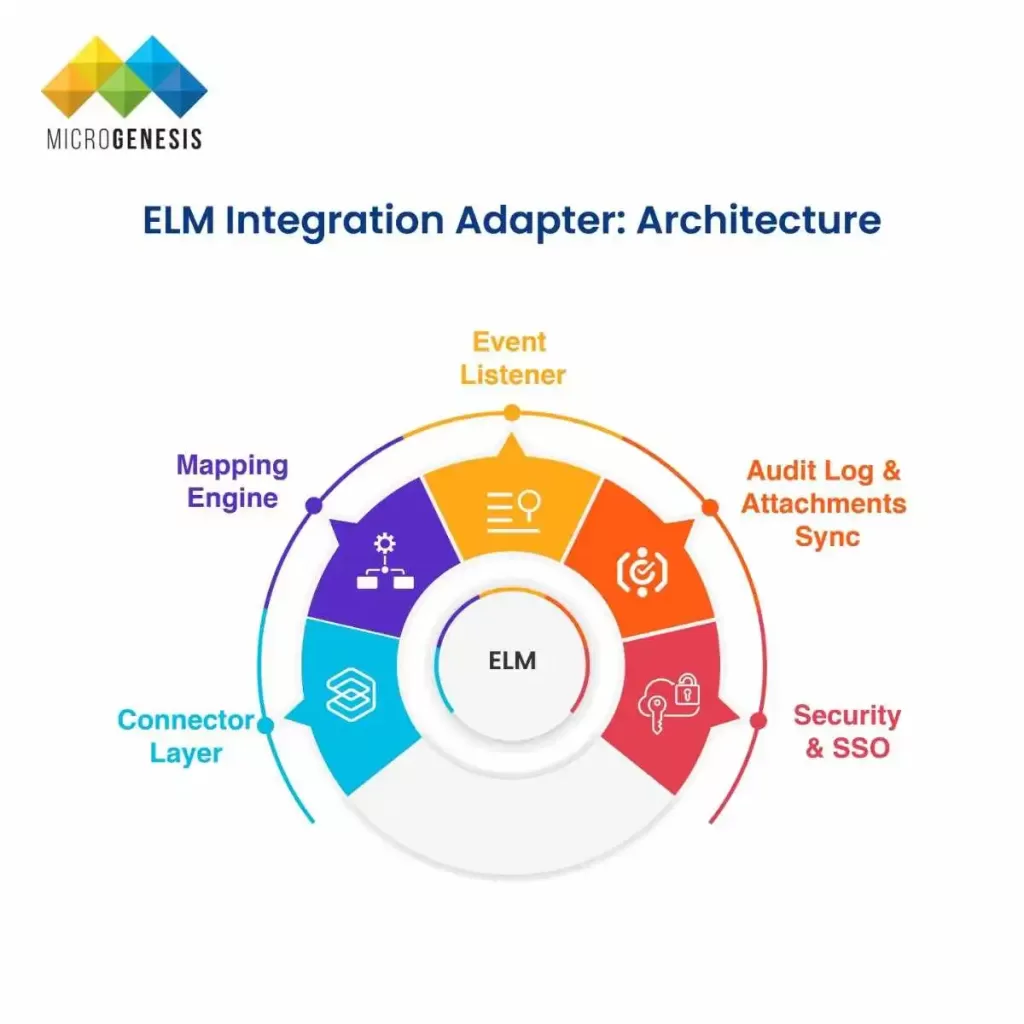
📐 Architecture Overview:
- Connector Layer: OSLC connectors for IBM ELM (RM, ETM, CCM) and REST integrations with Codebeamer artifacts.
- Mapping Engine: Flexible mapping logic for aligning field types, statuses, workflows, and artifact types (e.g., ELM Requirement → Codebeamer Work Item).
- Event Listener: Detects create/update events and pushes real-time or batch updates between platforms.
- Audit Log & Attachments Sync: Maintains full sync of version history, comments, attachments, and trace links.
- Security & SSO: Supports enterprise-grade security with SAML or OAuth2-based SSO and role-aware access control.
🎯 Key Benefits:
- Live traceability across IBM and PTC ALM tools
- Significant reduction in manual sync efforts and reconciliation errors
- Unified data model for cross-platform reporting and dashboards
- Full audit-readiness with traceable version history and logs
- Scalable integration without code changes—driven by configuration
This adapter empowers organizations to achieve end-to-end visibility, maintain regulatory compliance, and improve engineering collaboration across tool boundaries.
Connecting PTC Codebeamer with IBM ELM: Use Cases & Benefits
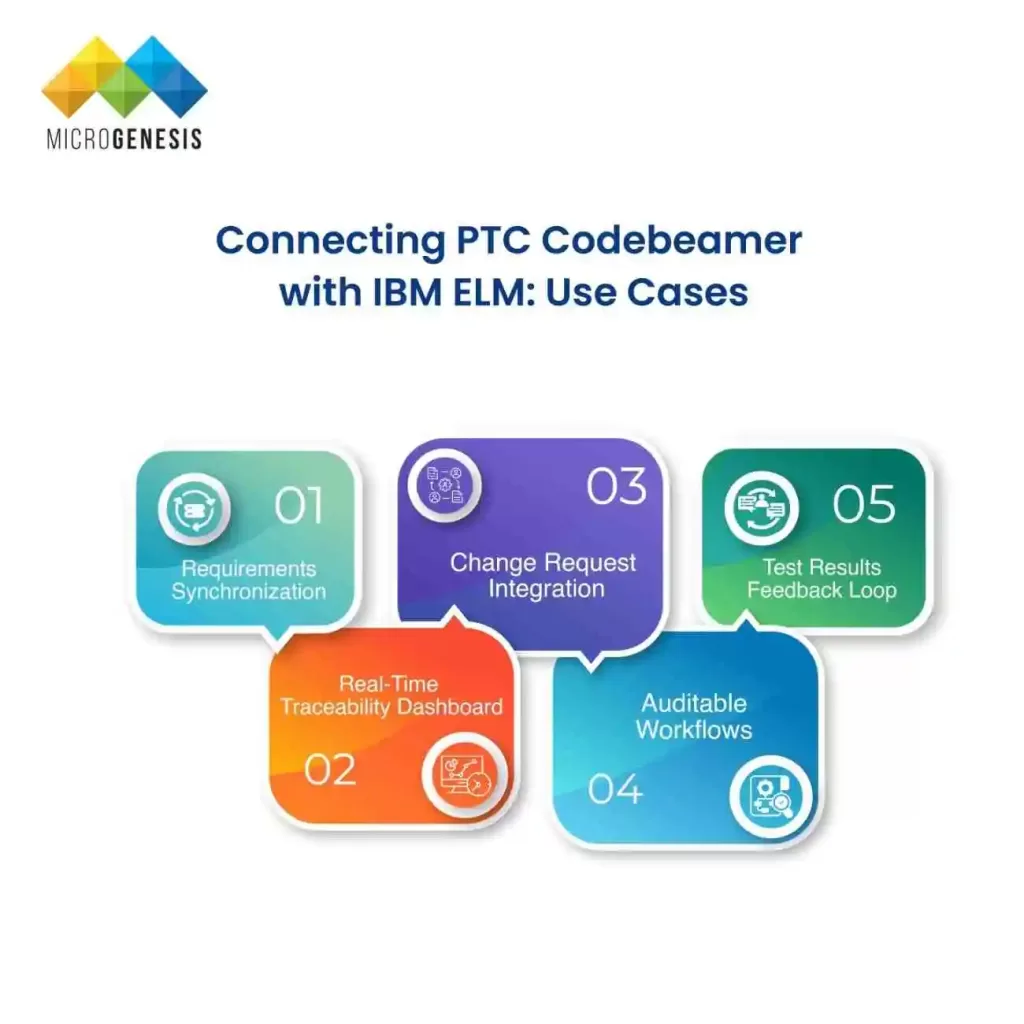
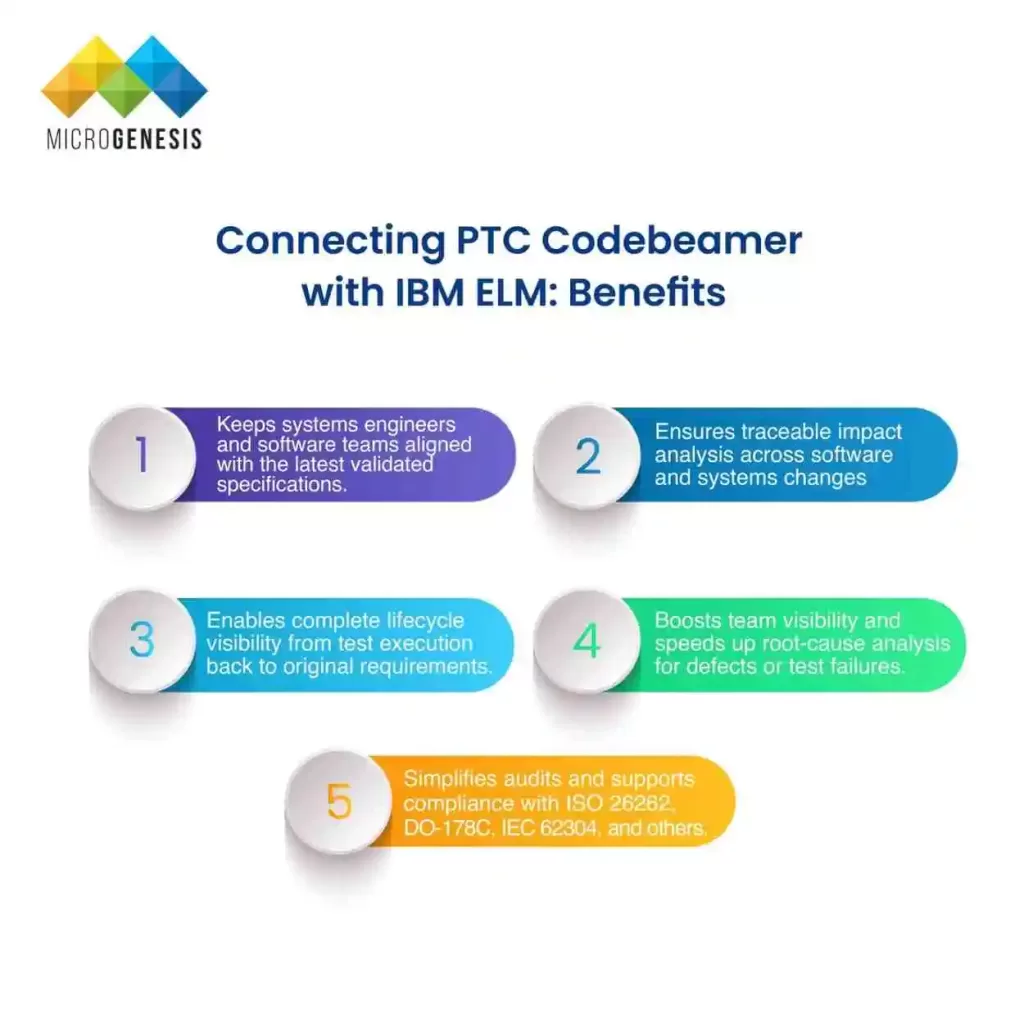
Integrating PTC Codebeamer with IBM ELM unlocks significant efficiencies across the systems and software engineering lifecycle. Organizations using both tools often struggle with disconnected workflows, inconsistent data, and redundant effort across teams. With a robust integration in place, ALM artifacts like requirements, test cases, change requests, and defect reports can be automatically synchronized—enabling seamless collaboration and faster decision-making.
The integration creates a shared digital thread across platforms, allowing domain experts—from embedded development teams to system architects and QA leads—to work in their preferred environments while staying aligned. Below is a breakdown of key integration use cases and their business and technical benefits:
Technical Deep Dive: How Our Adapter Works with Your Toolchain
Our ELM–Codebeamer integration adapter is purpose-built to handle the complexities of regulated, multi-tool ALM environments. Designed to work without heavy customization, it offers a configuration-first, scalable architecture that integrates seamlessly into your existing toolchain.
Below is a deeper look at the core technical capabilities of the adapter and how it fits into your development ecosystem:
⚙️ Configuration-Driven Mapping
- No custom coding required: Administrators define mappings using an intuitive UI.
- Artifact Type Mapping: Configure how IBM ELM artifact types (e.g., Requirements, Test Plans, Work Items) map to Codebeamer types (e.g., User Stories, Change Requests, Tests).
- Attribute Alignment: Map attributes like priority, status, owner, or version to ensure semantic consistency across platforms.
- Link Behavior: Define link types (e.g., validates, satisfies, implements) to maintain end-to-end traceability.
🔔 Webhook-Based Event Handling
- Near real-time sync: Webhooks in IBM ELM and Codebeamer listen for create/update/delete events.
- Push architecture: Changes are automatically pushed to the target system without polling delays.
- Reduced latency: Ensures engineering data is updated within seconds, improving collaboration speed.
🔄 Conflict Resolution Protocols
- Configurable policies: Choose between “last writer wins” or rules-based merge logic for conflict scenarios.
- Validation checks: Ensure changes are compliant with workflow rules or approval steps before propagation.
- Audit trail: Full history of changes and resolution actions is stored for compliance and governance.
📎 Binary & Attachment Synchronization
- Support for rich artifacts: Files such as test result logs, PDFs, images, and requirement documents are synced along with metadata.
- Integrity preservation: Checksums and version IDs are retained to ensure traceable documentation.
- Efficient transmission: Optimized for minimal bandwidth consumption, with optional compression.
🔗 Link Visualization & OSLC UI Previews
- Context-aware linking: Artifacts from Codebeamer are visible in IBM ELM (and vice versa) as live, clickable links.
- OSLC link previews: Hover or click to reveal artifact summaries without leaving your current tool.
- End-user clarity: Engineers see trace links in their native UI, reducing navigation friction and boosting productivity.
🔄 Flexible Master–Slave Configurations
- Master-slave or bi-directional: Choose whether one system is the source of truth or allow two-way synchronization.
– IBM ELM as master: Ideal when systems engineering drives requirement changes.
– Codebeamer as master: Useful when Agile teams originate features and feedback loops.
– Bi-directional: Enables full parity for dynamic environments with complex stakeholder inputs.
🧩 Toolchain Compatibility
Our adapter is built for integration flexibility:
- Works with on-premise or cloud-hosted instances of IBM ELM and Codebeamer.
- Supports hybrid DevOps toolchains using Jira, Git, Jenkins, Polarion, or other platforms alongside ALM.
- Compatible with AWS, Azure, or private cloud deployment models.
By embedding this adapter into your toolchain, your teams gain real-time visibility, full traceability, and automation without disrupting current workflows. This technical foundation not only bridges ALM silos but also ensures your compliance and quality assurance processes remain intact and auditable.
Case Studies: Adapter Implementation in Automotive & Aerospace
Case Study A — Automotive OEM:
- Used Codebeamer for feature release & sprint planning; IBM RM/ETM for system requirements and test engineering.
- Adapter enabled live mapping between system and embedded requirements, dramatically reducing handover meetings.
- Reduced requirement drift by 90%, helped audit lean.
Case Study B — Aerospace Manufacturer:
- High traceability needed across safety certification. Integration allowed test evidence generated in Codebeamer to automatically reflect in IBM ETM for review.
- Compliance artifacts were auto bundled for regulators; audit cycles shortened by multiple days.
Measuring ROI from Integrated ALM Systems
Investing in integrated ALM (Application Lifecycle Management) systems isn’t just about convenience—it’s a strategic move that delivers measurable returns across quality, compliance, and team efficiency. When platforms like IBM ELM and PTC Codebeamer are synchronized via a robust OSLC-based adapter, the impact ripples across the organization. Integration eliminates redundancy, shortens development cycles, and minimizes compliance risks, which directly translates to both time and cost savings.
For enterprises in regulated sectors such as automotive, aerospace, and healthcare, the ROI is not hypothetical—it’s tangible and often fast. By removing the silos between systems engineering and product development teams, companies unlock unified reporting, real-time traceability, and improved collaboration. This, in turn, enables quicker decisions, fewer reworks, and more predictable release cycles.
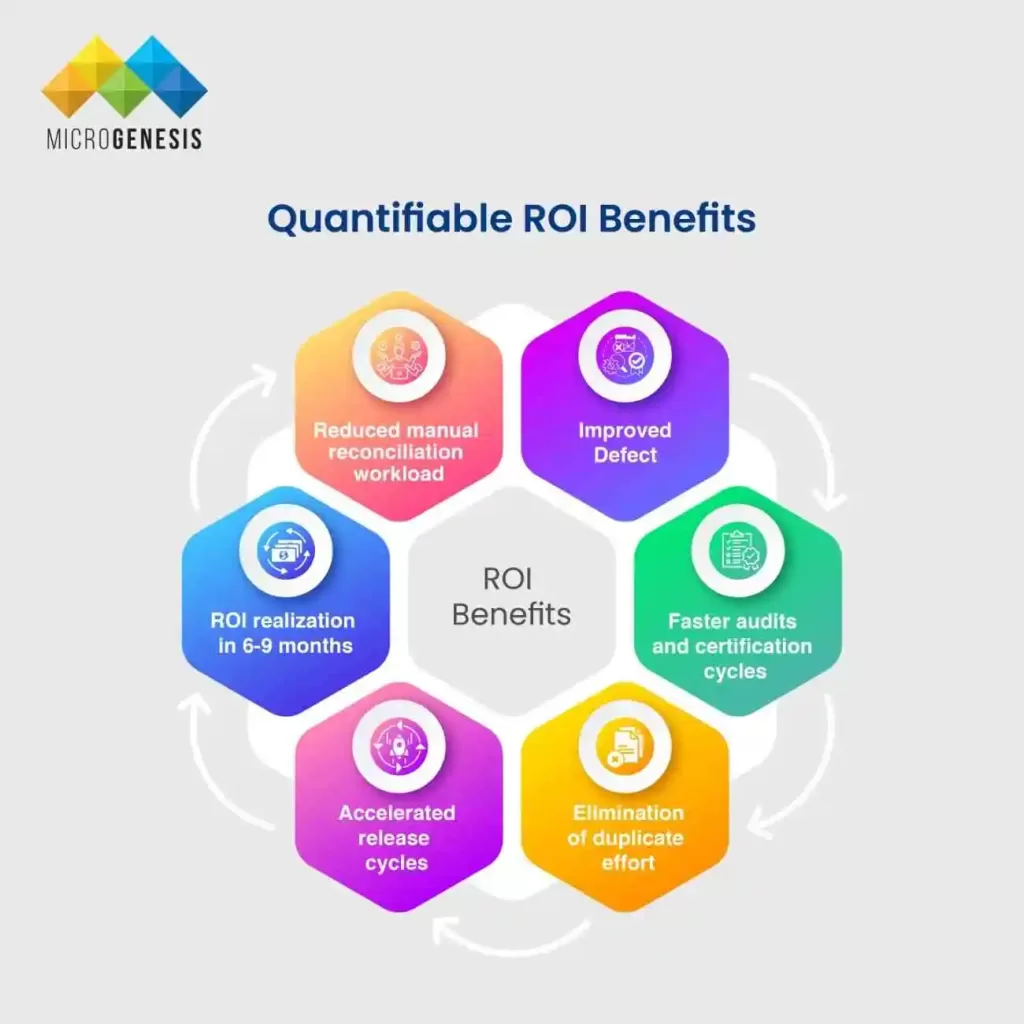
Quantifiable ROI Benefits
- ⏱️ Reduced manual reconciliation workload
Up to 80% savings in time spent manually updating and aligning data between tools.
- 🐞 Improved defect-to-requirement traceability
Enhanced visibility reduces “escaped” defects and accelerates root cause identification.
- 📋 Faster audits and certification cycles
With trace links and change histories always up to date, teams spend significantly less time preparing for audits and external certifications.
- 🔁 Elimination of duplicate effort
No need for multiple teams to replicate changes—single-source updates are propagated automatically.
- 🚀 Accelerated release cycles
With tighter integration and automated test feedback loops, cycle time reductions of 25–40% are common.
- 💰 ROI realization in 6–9 months
Most organizations recover their integration investment within the first 6–9 months, driven by time savings, reduced audit overhead, and fewer quality-related delays.
Integrated ALM is more than a technical upgrade—it’s a business enabler that improves operational efficiency, regulatory readiness, and product quality. By investing in a unified system with intelligent sync, you reduce risk, control costs, and deliver better products, faster.
How Our Managed Integration Services Help
Implementing and maintaining integration between IBM ELM and PTC Codebeamer can be complex—especially in regulated environments with diverse workflows, evolving compliance needs, and distributed teams. That’s why we offer a fully managed integration service, designed to remove technical barriers and ensure long-term success. From initial setup to scaling support, our team works closely with yours to ensure the integration delivers real value from day one.
Whether you’re deploying the integration in a single project or across multiple business units, our services adapt to your pace and needs. We don’t just deploy software—we help operationalize traceability, compliance, and collaboration across your ALM ecosystem, so your teams can focus on innovation, not syncing tools.
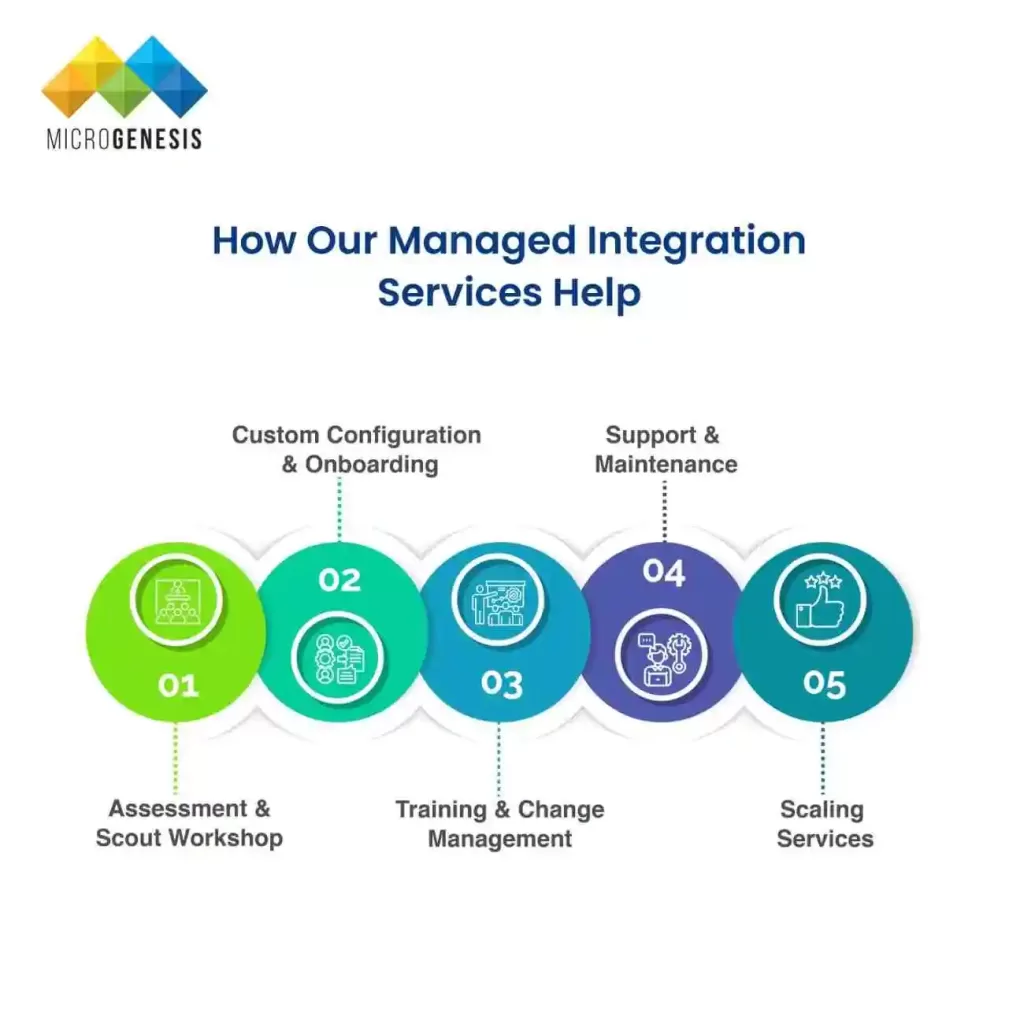
🔧 End-to-End Managed Services Include:
- 🔍 Assessment & Scout Workshop
We start by evaluating your current ALM landscape, stakeholder roles, artifact types, and integration pain points—resulting in a gap analysis and recommended roadmap.
- ⚙️ Custom Configuration & Onboarding
We tailor the integration to match your custom artifact types, workflows, naming conventions, and access controls in both ELM and Codebeamer.
- 📚 Training & Change Management
Hands-on workshops, user guides, and knowledge transfer sessions ensure both technical and business teams can effectively use and maintain the integration.
- 🛠️ Support & Maintenance
Our team provides ongoing support with SLA-based coverage, version upgrades, hotfixes, and reconfiguration as your toolchains evolve.
- 📈 Scaling Services
Need to onboard new teams, product lines, or geographies? We help scale the integration across multiple instances, projects, and domains without disrupting ongoing work.
Our goal is to deliver a seamless integration that evolves with your enterprise, keeps you compliant, and enhances engineering agility. Whether you’re modernizing your toolchain or preparing for large-scale digital transformation, our managed services make your integration strategy a success.